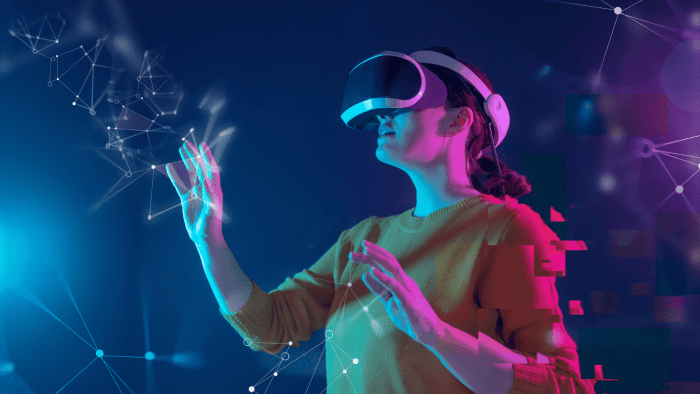
Kicking off with Virtual Reality (VR) Gaming: Immersive gaming experiences utilizing VR technology., get ready to embark on a thrilling journey through the realm of VR gaming. Brace yourself for an adrenaline-pumping ride filled with excitement and innovation as we explore the fascinating world of virtual reality gaming.
From mind-blowing visuals to interactive gameplay, VR technology is revolutionizing the way we experience games. Let’s delve deeper into this captivating universe where fantasy meets reality in the most immersive way possible.
Introduction to Virtual Reality (VR) Gaming
Virtual Reality (VR) gaming is a type of gaming experience that immerses players in a digital world through the use of VR technology. Unlike traditional gaming, VR gaming allows players to feel like they are actually inside the game environment, interacting with objects and characters as if they were real.
The immersive experience offered by VR technology in gaming is truly revolutionary. Players can move around and explore virtual worlds in a way that was never possible before. The use of VR headsets and controllers enhances the sense of presence and engagement, making the gaming experience more realistic and captivating.
Popular VR Games and Their Impact
- Beat Saber: A rhythm-based game where players use lightsabers to slice through blocks to the beat of the music. It has become a popular choice for VR gamers due to its addictive gameplay and energetic soundtrack.
- Half-Life: Alyx: This game brought the iconic Half-Life series into the world of VR, showcasing the potential for storytelling and immersion in virtual reality gaming. It set a new standard for narrative-driven VR games.
- Superhot VR: Known for its innovative time-manipulation mechanics, Superhot VR requires players to strategically plan their movements to dodge bullets and defeat enemies. It has been praised for its unique gameplay and challenging levels.
Advantages of Virtual Reality (VR) Gaming
Virtual Reality (VR) gaming offers a multitude of benefits that enhance the overall gaming experience for players. From increased player engagement to improved cognitive skills, VR technology revolutionizes the way we interact with games.
Enhanced Player Engagement and Interaction
- VR technology immerses players in a virtual world, creating a more engaging and interactive experience.
- Players feel a sense of presence and connection to the game environment, leading to heightened excitement and enjoyment.
- Interacting with the game world through gestures and movements adds a new level of realism and immersion.
Improved Cognitive Skills and Spatial Awareness
- VR gaming requires players to use their spatial awareness and problem-solving skills to navigate and interact with the virtual environment.
- Players must think critically and strategically to overcome challenges presented in the game, improving cognitive function.
- Engaging in VR gaming can enhance memory, attention to detail, and overall mental agility.
Challenges in Virtual Reality (VR) Gaming

Virtual Reality (VR) gaming offers a truly immersive experience, but it also comes with its own set of challenges that developers and users need to overcome. Let’s explore some of the key challenges in VR gaming:
Technical Limitations and Challenges
- One of the major technical challenges in VR gaming is the need for high-quality hardware to support the immersive experience. This includes powerful graphics cards, high-resolution displays, and responsive motion-tracking sensors.
- Another technical limitation is the issue of latency, where delays in rendering images or tracking movements can lead to motion sickness and a less realistic experience for players.
- Developers also face the challenge of creating content that is optimized for VR, as traditional gaming mechanics may not translate well to a VR environment.
Motion Sickness and Discomfort
- One of the most common challenges for users in VR gaming is motion sickness, which can occur due to discrepancies between the movement perceived by the eyes and the body’s actual physical movement.
- Prolonged use of VR headsets can also lead to discomfort or fatigue, as users may experience eye strain, headaches, or neck pain from wearing the headset for extended periods.
Cost Implications of Adopting VR Technology
- Adopting VR technology for gaming purposes can be costly, both for developers and consumers. High-quality VR headsets and compatible hardware can come with a hefty price tag, making it a significant investment for those looking to enter the world of VR gaming.
- Additionally, creating VR content requires specialized skills and tools, which may require additional resources and training for developers to produce high-quality immersive experiences.
Future of Virtual Reality (VR) Gaming
Virtual Reality (VR) gaming has already made significant strides in revolutionizing the gaming industry, but the future holds even more exciting possibilities.
Trends and Advancements in VR Gaming Technology
- Improved Graphics and Realism: As technology advances, VR gaming will continue to offer more realistic graphics, enhancing the immersive experience for players.
- Enhanced Interactivity: Future advancements may include more sophisticated controllers and haptic feedback systems, allowing players to feel even more connected to the virtual world.
- Wireless VR Headsets: The development of wireless VR headsets will provide greater freedom of movement and eliminate the need for cumbersome cables, making VR gaming more accessible and convenient.
- Cloud Gaming Integration: The integration of cloud gaming services with VR technology will enable players to access a vast library of games without the need for expensive hardware, opening up VR gaming to a wider audience.
Potential Impact of VR Gaming on the Future of Entertainment
- Immersive Experiences: VR gaming has the potential to revolutionize entertainment by offering immersive experiences that blur the lines between reality and virtual worlds.
- New Forms of Content: VR technology can pave the way for innovative storytelling techniques and interactive experiences that go beyond traditional gaming, shaping the future of entertainment across various mediums.
- Social Interaction: VR gaming can also transform social interactions by enabling players to connect in virtual spaces, fostering new communities and multiplayer experiences that transcend physical boundaries.
Integration of VR Gaming with Emerging Technologies
- Artificial Intelligence (AI): The integration of AI technology with VR gaming can enhance in-game interactions, create more dynamic environments, and personalize gameplay experiences based on player behavior.
- Blockchain Technology: Blockchain integration in VR gaming can enable secure transactions, ownership of in-game assets, and the development of decentralized virtual worlds where players have true ownership and control over their digital assets.
- Augmented Reality (AR): The combination of VR and AR technologies can lead to mixed reality experiences that blend virtual and real-world elements, offering new possibilities for gaming and interactive storytelling.
Online Gaming and Virtual Reality (VR)
Virtual Reality (VR) technology is revolutionizing the landscape of online gaming, offering players a more immersive and interactive experience than ever before. By putting on a VR headset, gamers can step into a virtual world where they can interact with their surroundings in a way that feels incredibly lifelike.
Integration of VR into Online Multiplayer Games
- Opportunities: VR technology allows for a more realistic and engaging multiplayer experience, where players can communicate and interact with each other in a virtual space. This can enhance teamwork and cooperation among players, leading to more dynamic gameplay.
- Challenges: One of the main challenges of integrating VR into online multiplayer games is the need for a stable internet connection to ensure smooth gameplay. Additionally, developers must consider the potential for motion sickness in some players when designing VR experiences.
Social Aspects of VR-Enhanced Online Gaming
- VR-enhanced online gaming experiences offer a new level of social interaction, allowing players to feel like they are in the same physical space as their friends or fellow gamers. This can lead to stronger connections and friendships formed in the virtual world.
- Players can engage in activities together, such as virtual sports or cooperative missions, while feeling like they are truly present with each other. The social aspect of VR gaming can create a sense of community and belonging among players.
Gambling and Virtual Reality (VR) Gaming
Virtual Reality (VR) technology has not only revolutionized the gaming industry but has also made its mark in the world of gambling. The intersection of gambling and VR gaming has led to the emergence of VR casinos, offering players a more immersive and realistic gambling experience.
Rise of VR Casinos
- VR casinos allow players to step into a virtual environment where they can interact with other players and dealers in real-time.
- Players can enjoy popular casino games such as poker, blackjack, roulette, and slots in a 3D setting, enhancing the overall gaming experience.
- VR technology has made it possible for players to feel like they are in a physical casino without leaving the comfort of their homes.
Impact on the Gambling Industry
- The introduction of VR casinos has attracted a new segment of players who are drawn to the immersive nature of the technology.
- Traditional online casinos are now considering integrating VR technology to stay competitive and cater to the changing preferences of players.
- VR casinos have the potential to increase engagement and retention rates, leading to higher revenues for the gambling industry.
Implications on Gambling Addiction
- While VR technology enhances the gaming experience, it also raises concerns about its potential impact on gambling addiction.
- The immersive nature of VR casinos can make it harder for players to differentiate between the virtual and real world, potentially leading to compulsive gambling behavior.
- Regulatory bodies and industry stakeholders need to address the challenges of gambling addiction in the context of VR gaming to ensure responsible gambling practices are upheld.
Virtual Reality (VR) Gaming and eSports
Virtual Reality (VR) gaming has started to make waves in the world of eSports, offering a new level of immersion and excitement for both players and spectators alike. With the ability to transport players into realistic virtual environments, VR technology is changing the way competitive gaming is experienced.
Impact on Competitive Gaming
VR is influencing the world of competitive gaming by providing a more immersive and interactive experience for players. By incorporating VR technology into eSports tournaments, players can feel like they are truly inside the game, enhancing their focus and performance.
Revolutionizing eSports Tournaments
The potential for VR to revolutionize eSports tournaments and events is immense. With VR headsets allowing players to physically move and interact within the game environment, tournaments can become even more dynamic and engaging for both participants and viewers.
Challenges and Opportunities
Integrating VR into professional gaming leagues comes with its own set of challenges and opportunities. While VR can enhance the overall gaming experience, issues such as motion sickness, high costs of VR equipment, and the need for specialized training can pose obstacles to widespread adoption in eSports. However, the unique opportunities for creating innovative gameplay experiences and attracting new audiences make the integration of VR in eSports a promising venture for the future.
Final Summary
As we wrap up our exploration of Virtual Reality (VR) Gaming: Immersive gaming experiences utilizing VR technology., one thing is clear: the future of gaming has never looked brighter. With endless possibilities for innovation and entertainment, VR gaming continues to push boundaries and redefine the gaming landscape. Get ready to level up your gaming experience with the exciting world of VR technology!
Query Resolution
What sets VR gaming apart from traditional gaming?
VR gaming offers a more immersive experience by allowing players to feel like they are part of the game environment, thanks to the use of VR technology.
How does VR enhance player engagement?
VR enhances player engagement by providing a more interactive and realistic gaming experience that captivates the senses and keeps players hooked.
What are some popular VR games that have made an impact?
Games like Beat Saber, Half-Life: Alyx, and Superhot VR have gained popularity and showcased the potential of VR technology in gaming.
What are the challenges associated with VR gaming?
Technical limitations, motion sickness, discomfort, and cost implications are some of the challenges that VR gaming faces.
How is VR technology changing online gaming?
VR technology is reshaping online gaming by offering a more immersive and social gaming experience that blurs the lines between virtual and reality.